

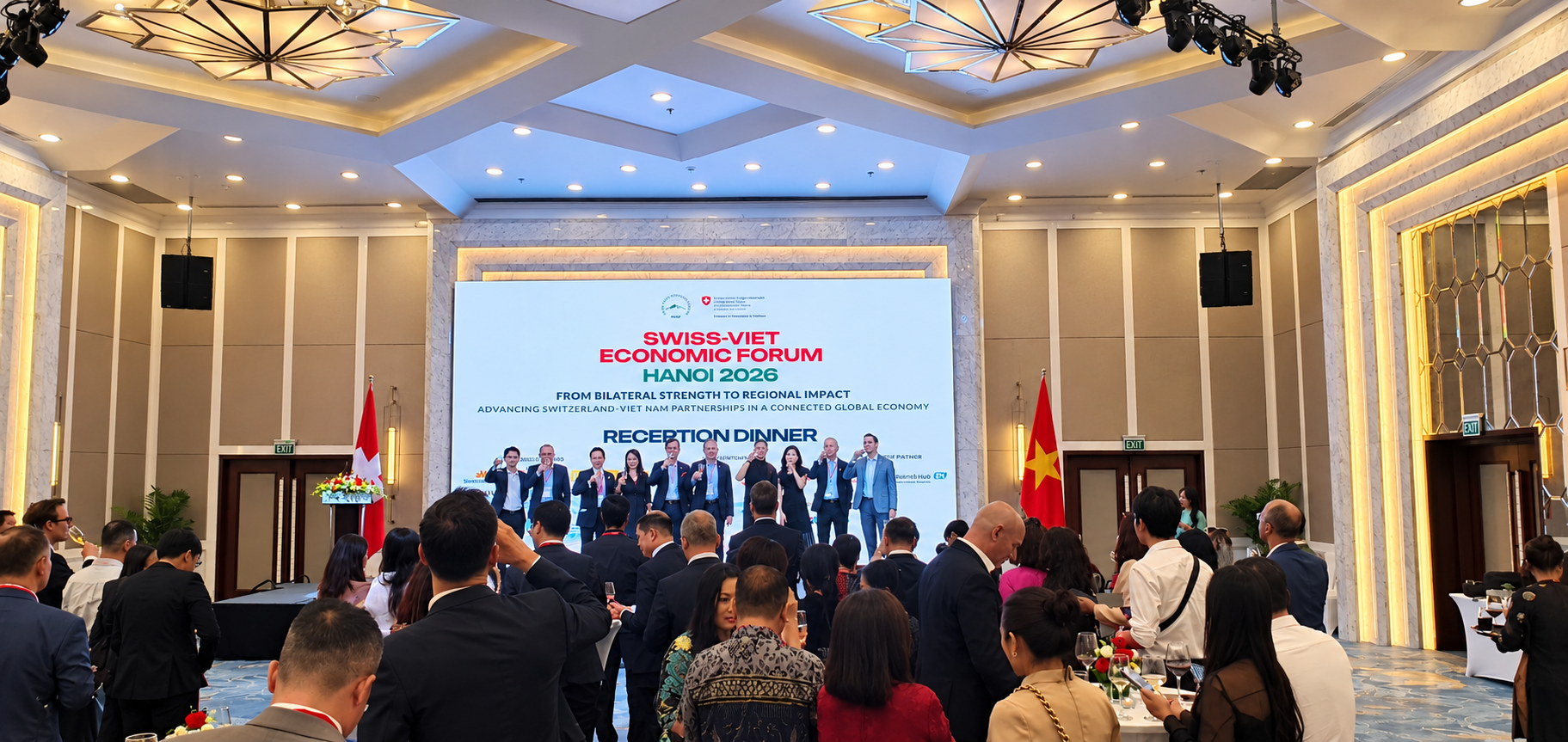
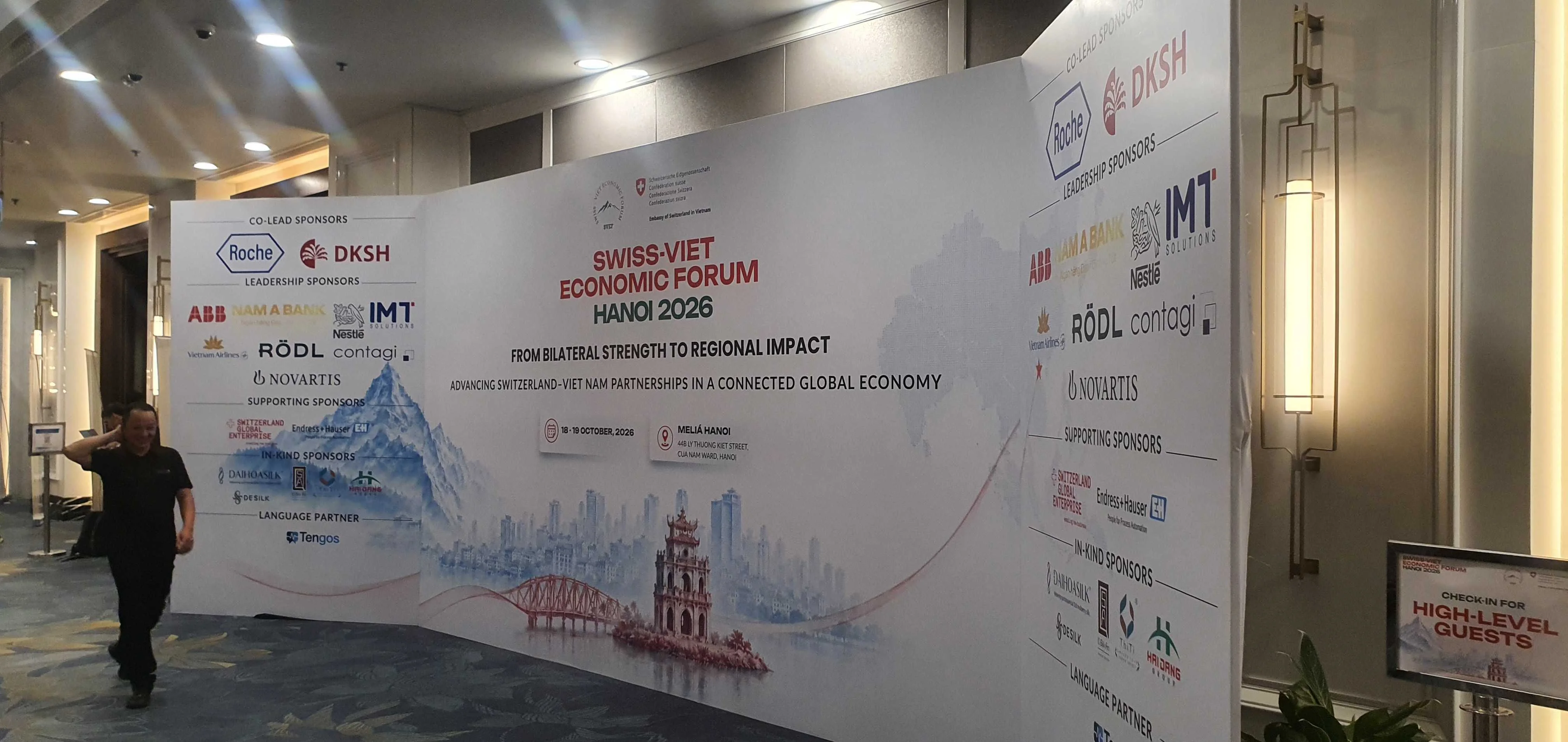
OZC attends the Swiss - Viet Economic Forum 2026 in Hanoi.
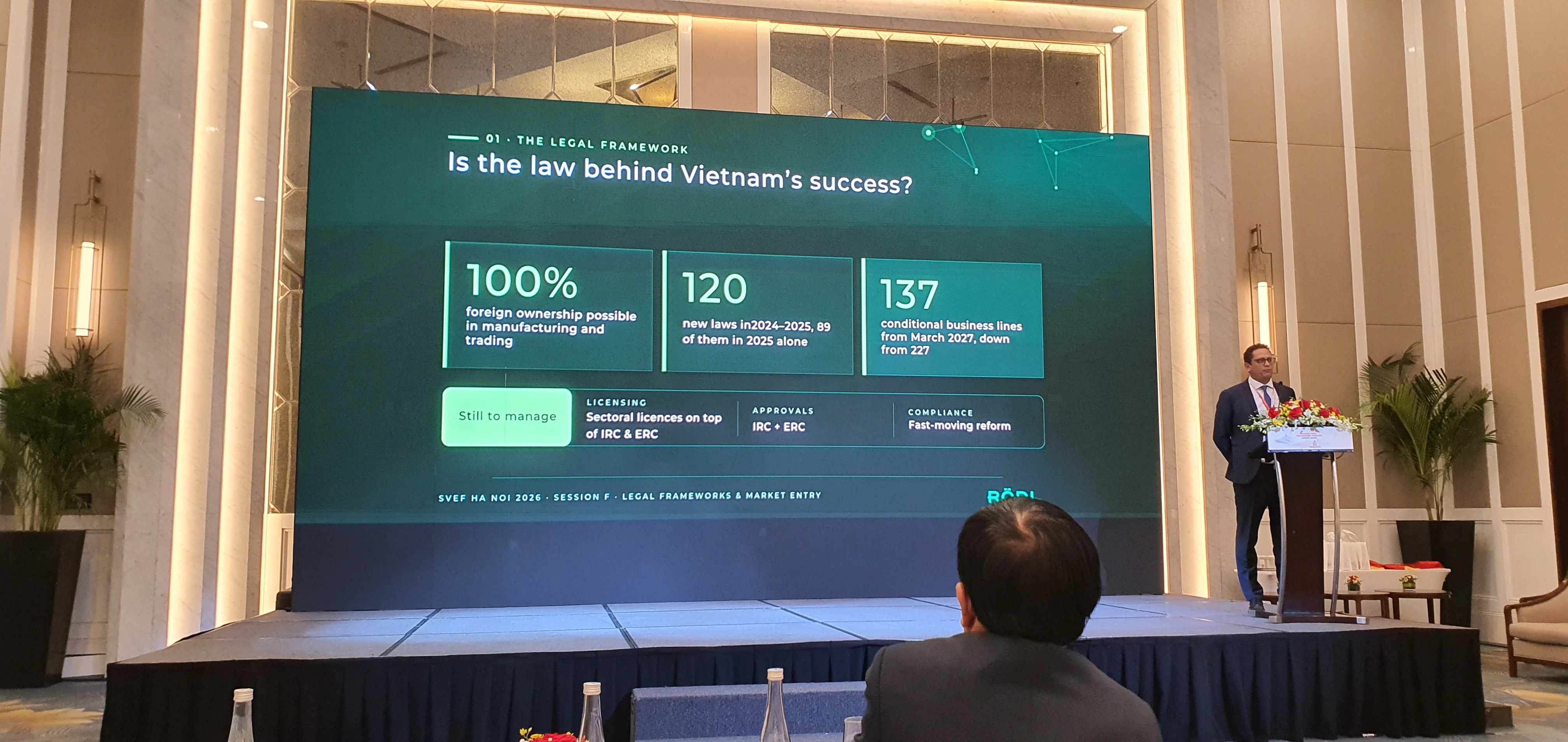
Last week, OZC and the Swiss Representative of AKC Engineering - Mr. Christian Ingold attended the Swiss–Viet Economic Forum 2026 – Hanoi Edition, which brought together business leaders, industry experts, and representatives from different sectors to discuss economic cooperation and business opportunities between Switzerland and Vietnam. One of the sessions particularly relevant to businesses operating across borders was “Legal Frameworks & Market Entry”, featuring a keynote by Mr. Lutz Christoph Koch, Managing Director of Rödl Vietnam, one of OZC's partners.
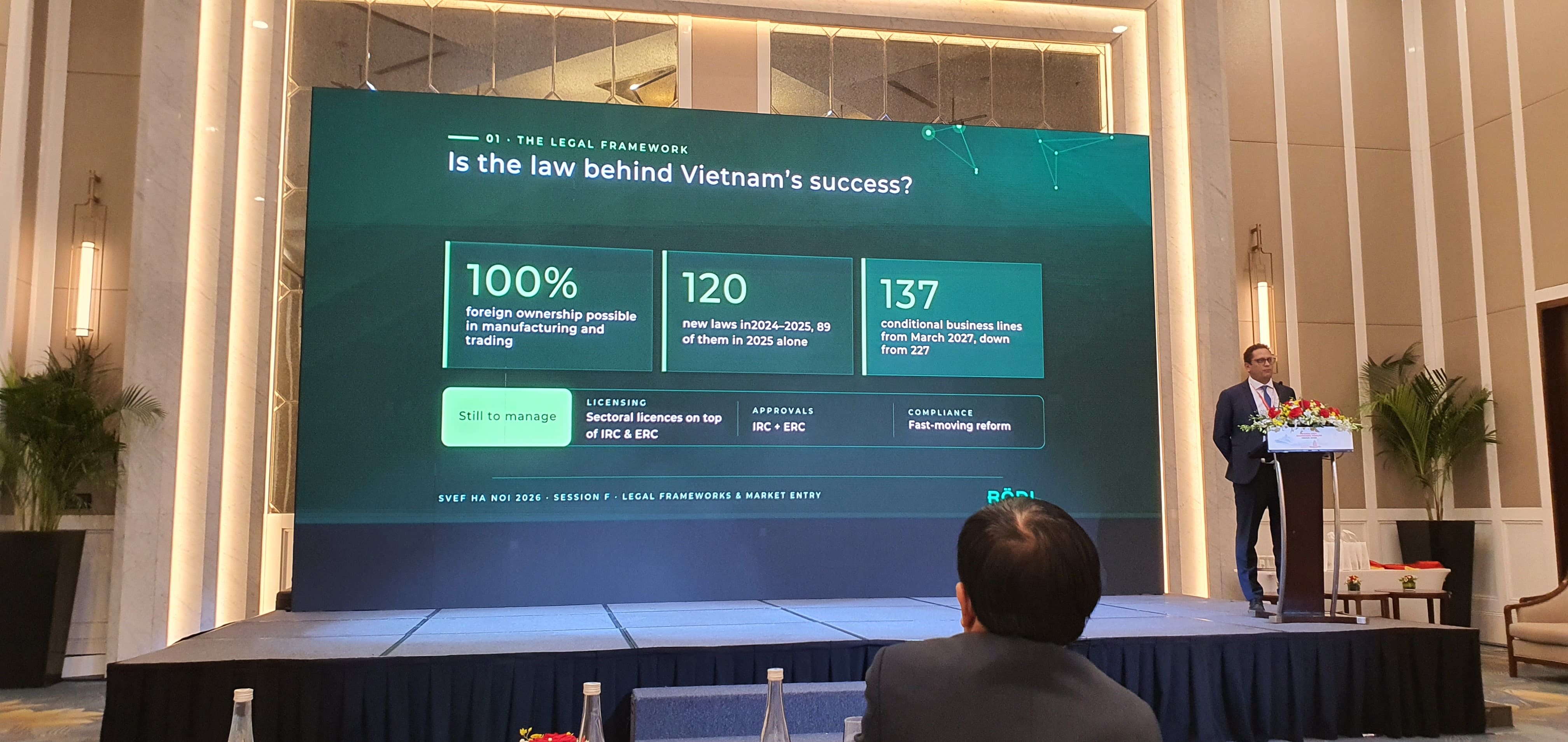
His presentation focused on the legal and regulatory considerations that foreign companies need to understand when establishing and operating a business in Vietnam. From market entry requirements to changes in local regulations, these are important factors for companies planning to enter the market or expand their existing operations.
While the session focused on Vietnam's legal environment, it also relates to a broader challenge that businesses face across different markets: regulatory requirements continue to change, and the systems supporting business operations may need to change with them.
When regulatory changes become software requirements
Regulatory compliance is often associated with legal documentation, internal policies, and administrative procedures. However, many business processes are now managed through software, which means changes in regulations can also affect how these systems need to function.
Depending on the industry and applicable regulations, businesses may need to adjust how their software collects and processes data, manages user permissions, stores records, generates reports, or supports internal approval processes.
For example, a change in data protection requirements might require a company to review what personal information its system collects and how that information is used. New reporting obligations might require additional data fields or changes to existing reporting functions. These adjustments are not always major development projects. Sometimes they involve updating a specific function or workflow. In other cases, they may require changes to the underlying system architecture.
Section 37a of Germany's Federal Data Protection Act (BDSG), scheduled to take effect on 20 November 2026, introduces requirements for certain scoring activities, including restrictions on the use of specific personal data, transparency of scoring methods, and rights to human review.
For businesses operating software systems within the scope of these provisions, compliance may involve reviewing which data is used in scoring processes, adjusting data validation rules, providing explanations of scoring criteria, or introducing workflows that allow scoring outcomes to be reviewed by a person.
The exact technical changes depend on the system and how the regulation applies to the business. However, the example shows how a legal requirement can translate into specific software development tasks. This is relevant not only to companies operating in Germany, but also to businesses in Vietnam and other markets where regulatory changes affect digital operations.
How OZC works with these requirements
For OZC, understanding the client's business environment is an important part of software development.
We work with businesses in Europe and Vietnam, developing software based on their operational needs and technical requirements. Where regulatory requirements affect a system, we work with clients to understand the implications and identify what needs to be adjusted from a technical perspective.
This typically involves reviewing existing functions and workflows, discussing the requirements with the client, assessing possible technical solutions, and implementing agreed changes. Testing and ongoing maintenance are also important to ensure that updates work correctly within the existing system.
Not every regulatory change requires software modifications. The first step is to determine whether the change affects the client's system and, if so, which functions need attention. Our role is to help clients turn relevant business and regulatory requirements into workable technical solutions, while legal interpretation and compliance decisions remain with the client
and their legal advisers.
This approach is also why OZC places importance on long-term client relationships. Software requirements do not remain fixed after launch. Business processes change, companies expand into new markets, and new regulations may introduce additional requirements.
Having a development partner who understands the existing system makes it easier to assess and implement these changes without unnecessarily rebuilding software or disrupting daily operations.
The discussions at the Swiss-Viet Economic Forum were a useful reminder that entering a market is only one part of operating a business internationally. Companies also need to manage changing requirements as their operations develop.
At OZC, our focus is on building reliable software and continuing to support it as our clients' business and technical requirements evolve



How Regulatory Changes Affect Business Software
Case Study - Bouncing castle rental website

What should we consider when choosing a CMS for our website?
